Heavy Lifting · Since 1874

Each Link-Belt case study records lifting capacity used, boom length configuration, excavator cycle times, undercarriage hours, and customer feedback after commissioning. Review the operating parameters before you size your next fleet order.
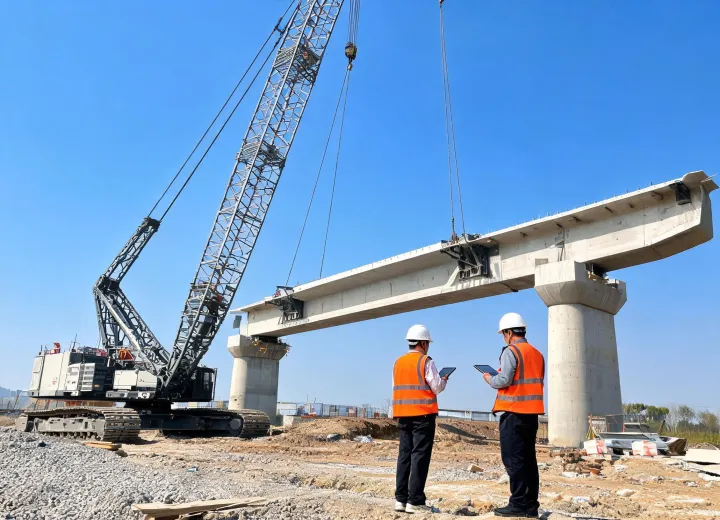
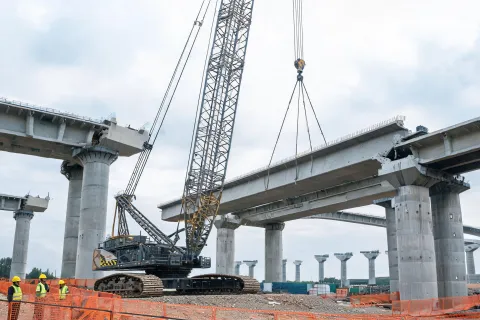
On a Southeast Asian viaduct, one lattice boom crawler crane placed 288 precast segments across a rainy-season window. Lift plans listed radius, hoist speed, and wind limits for every pick. The superintendent reported zero rework on segment seating after the final survey.
"The published load chart held up across the whole rainy-season lift window — we never had to reconfigure the boom mid-contract." — Lifting Superintendent, 288-segment viaduct
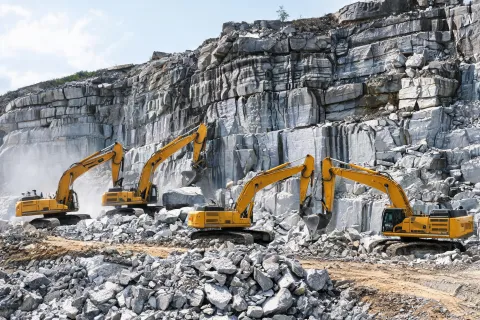
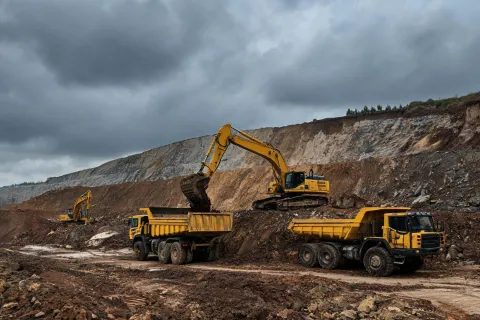
At a limestone quarry belt, forty-two hydraulic excavators ran mass excavation with 1.6 m³ heavy-duty rock buckets. Digging depth targets and breakout force settings were logged against geotech layers. ISO 4406 hydraulic cleanliness sampling caught pump wear before an unplanned shutdown.
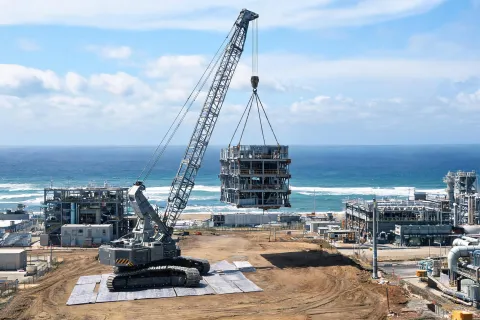
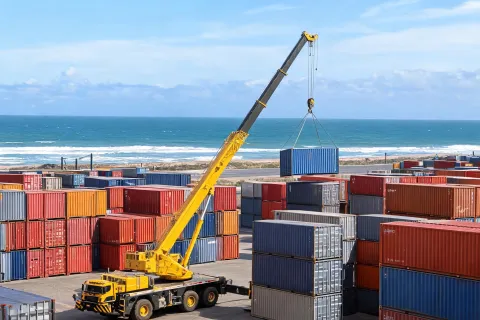
A coastal power-plant module set used telescopic cranes with verified ground pressure mats on soft fill. Operating weight and outrigger loads were checked against the pad design before the first module left the barge.
Urban demolition crews paired high-reach excavators with dust-suppression kits. Attachment pin inspections between 22-story decommission cycles kept boom geometry within the manufacturer envelope while cycle times stayed predictable for the recycling haul fleet.
Case studies succeed inside published envelopes. Outside these limits Link-Belt will refuse a lift or excavator configuration rather than stretch a load chart:
Lifting capacity at working radius, boom length and jib configuration, hoist speed averages, ground pressure assumptions, and the standard used for the signed lift plan (ASME B30 or AS 2550).
Yes. Track shoe width, operating weight, ground pressure, and hours since last undercarriage rebuild are listed so fleet managers can compare sites with similar soil conditions.
Project videos and reference contacts are available for released case studies after a short NDA when the owner requires confidentiality on plant coordinates.
Metrics refresh when the project closes or when a major mid-contract configuration change is approved by the engineer of record.

Ask for lift videos, excavator cycle sheets, and customer feedback matched to your region and machine class.